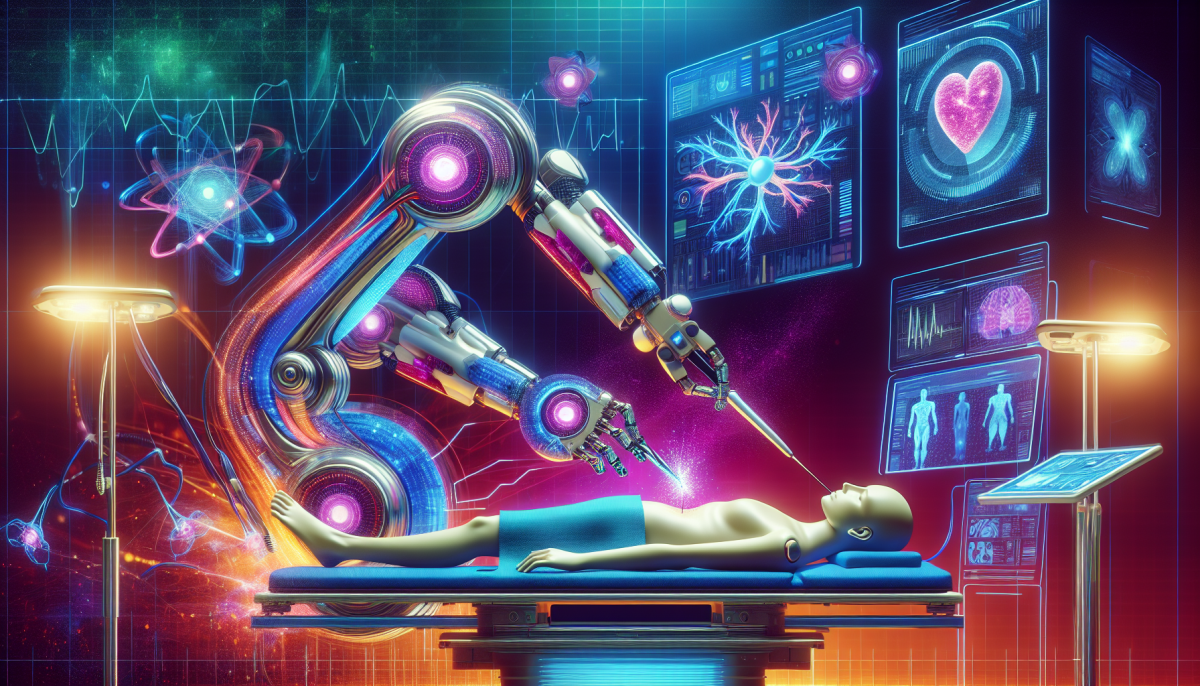
When it comes to patient care, AI is stepping up in some pretty amazing ways. Imagine being able to analyze tons of medical data in seconds—it’s like having a super-smart assistant on hand. Hospitals can use AI to look at patient records, lab results, and even imaging studies to spot patterns that help diagnose conditions faster. This means quicker treatments and better outcomes for patients.
Another game-changer is AI’s ability to predict future health issues. By using algorithms that look at a patient’s history and behaviors, healthcare providers can catch potential problems early. Picture a doctor being able to inform you about a risk of diabetes before it even develops. It’s proactive care at its best, helping patients stay ahead of their health.
AI chatbots also play a big role in improving patient care. They offer 24/7 support for answering basic health questions, scheduling appointments, and even providing medication reminders. This can take some pressure off healthcare staff, allowing them to focus on more complex patient needs while ensuring you always have access to the info you need.
Lastly, let's not forget about personalized treatment plans. AI can assess individual patient data to suggest tailored treatment options. This kind of customization means that you get care that’s fit just for you, which can lead to better results and a smoother healing process. With AI on our side, the future of patient care looks bright and full of possibilities.
Revolutionizing Diagnostics with Smart Technology
Smart technology is shaking up the way doctors diagnose and treat patients. Imagine going to a clinic, and instead of waiting for ages to get results, AI tools could analyze your test results right away. This isn’t just a dream anymore—it’s happening now in hospitals around the world!
These AI diagnostics systems can scan tons of medical data in seconds, finding patterns that even the best doctors might miss. For instance, when it comes to images like MRIs or X-rays, AI can quickly highlight any anomalies, guiding doctors toward more accurate diagnoses. This isn’t just about speed; it’s about improving patient outcomes. The faster you catch a problem, the better the chances for successful treatment.
Plus, many AI tools keep learning over time. The more data they process, the sharper they get at spotting issues. This continuous improvement means that healthcare professionals always have the latest insights at their fingertips. With smart tech doing heavy lifting, doctors can spend more time focusing on what really matters: patient care.
Imagine how this could change your visits to the doctor. Less waiting, less uncertainty, and a clearer path to getting back to feeling better. Smart technology isn’t just a fancy add-on; it’s becoming a vital part of modern healthcare, making diagnostics faster and more reliable for everyone involved.
Automation in Admin Tasks for Better Efficiency
Automation is changing the game in healthcare admin tasks. Imagine a world where repetitive tasks are handled by smart systems, freeing up valuable time for healthcare professionals. No more endless paperwork or appointment scheduling woes. AI can streamline these processes, making everything run smoother.
Take appointment scheduling, for example. AI can manage calendars, minimize conflicts, and even send reminders to patients, all without the need for manual input. This saves time for staff and reduces no-shows, making clinic operations more efficient. Plus, with fewer administrative errors, healthcare providers can focus on what really matters – patient care.
Billing and coding can be a headache, but AI can help sort through the chaos. Automated systems can tackle claims, ensuring they're submitted accurately and quickly. This not only speeds up the payment process but also reduces the chance of errors that can lead to frustrating delays.
With AI handling these tasks, healthcare workers can spend their time on meaningful interactions with patients. It’s a win-win – better efficiency for the facility and improved care for the patients. Embracing automation in admin tasks is a smart move for the future of healthcare.
Data Security and Privacy in Healthcare AI
Data security and privacy are huge topics when it comes to using AI in healthcare. With all the sensitive information floating around—like patient records, treatment plans, and even billing details—it's super important to keep everything safe. Nobody wants their personal health info ending up in the wrong hands!
One way AI helps is by monitoring data access and detecting unusual activities. Think of it like having an extra pair of eyes that never blinks. This technology can alert healthcare providers when something seems off, which helps catch potential breaches early. Plus, machine learning algorithms can help identify patterns that might indicate a security risk, allowing for proactive measures before any damage is done.
On the privacy side, AI tools can anonymize data. This means they can separate personal information from medical data, making it much harder to trace back to an individual. This process is crucial, especially when researchers want to use large datasets to develop new treatments without compromising anyone's privacy.
Healthcare organizations are also focusing on compliance with laws like HIPAA, which protect patient information. AI can streamline these processes and ensure that all guidelines are followed. By automating data handling and storage, healthcare providers can spend less time worrying about compliance and more time focusing on patient care.